Practical reader guide
How to Choose a Memory Activity Book for an Older Adult
Choose a memory activity book by matching readability, interests, support needs and the setting where it will be used.
Start with the person, not the diagnosis
Think about the person’s interests, reading comfort, daily energy and preferred way to participate. A former teacher, music lover and gardener may each respond to different subjects.
If a person lives with dementia or another health condition, ask caregivers or health professionals about suitable support. A general activity book does not replace an individual care plan.
Check the page before the promise
Marketing language matters less than the inside pages. Look for clear instructions, large readable text and tasks that fit on one page without visual clutter.
Avoid books that promise to cure, reverse or prevent dementia. The National Institute on Aging states that evidence for lasting cognitive effects from many commercial activities is not definitive.
Choose the right activity style
Trivia suits people who enjoy facts and conversation. Matching, word and recall activities suit readers who prefer written work. Open prompts support family stories. A mixed workbook gives more choice from one day to the next.
- Solo use: short instructions and clear answers
- Family visits: familiar topics and open questions
- Activity groups: pages that work aloud
- Caregiver support: flexible tasks with natural stopping points
Protect dignity and choice
Present the book as an invitation, not an assignment. Offer two activity choices. Stop when the person becomes tired or frustrated. Praise participation without treating an adult like a child.
The best session is one the person wants to continue or revisit.
Compare the two Growth Lab Press options
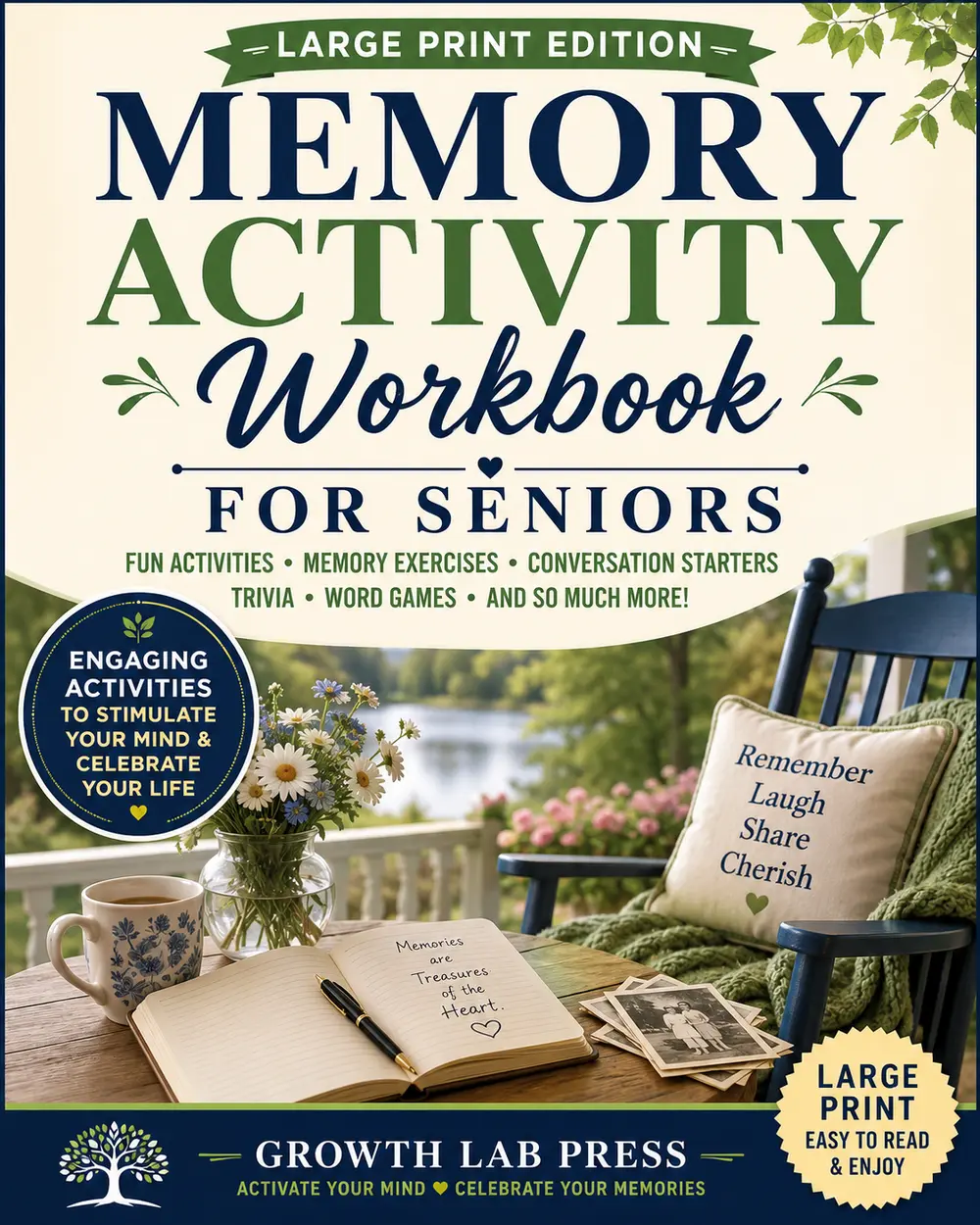
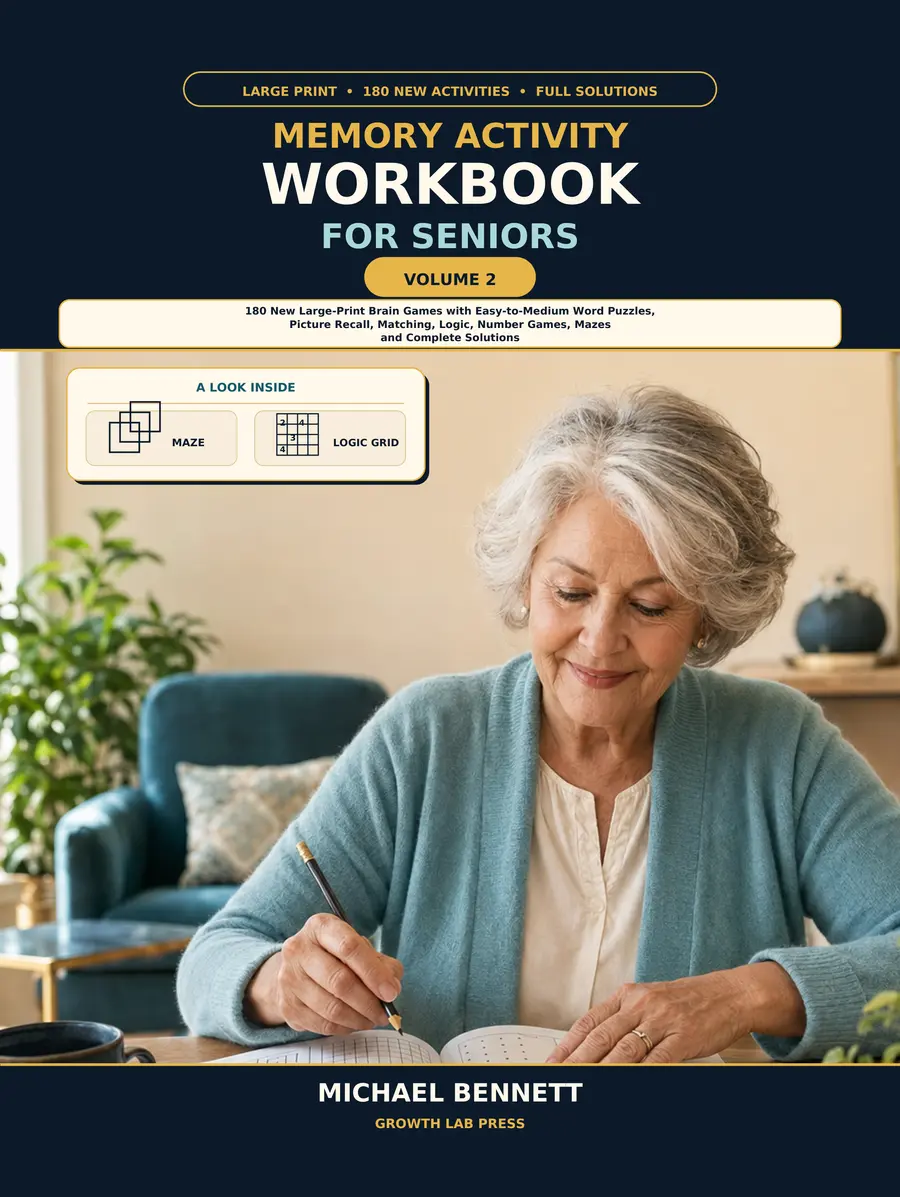
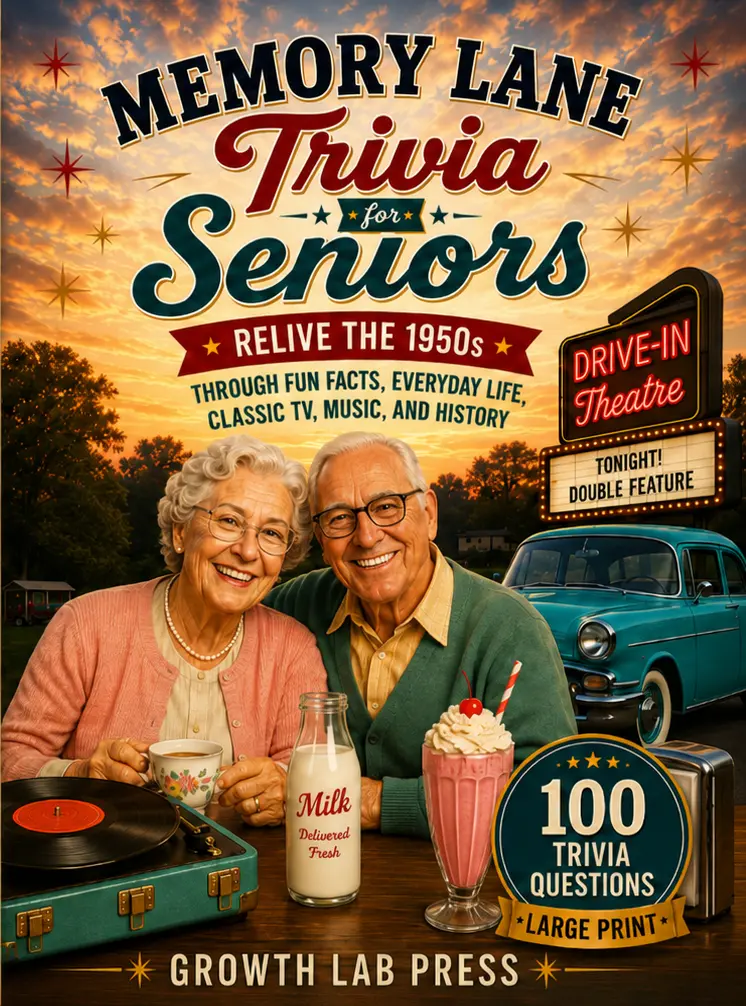
Memory Activity Workbook for Seniors offers varied large-print activities. Memory Lane Trivia for Seniors focuses on 100 questions about 1950s facts, history and daily life. Choose variety for individual activity time or nostalgia for conversation-led visits and groups.
Common questions
Questions readers ask
Should a memory activity book feel challenging?
It should feel engaging without creating repeated frustration. The right level differs by person and by day.
What if the person does not want to write?
Read questions aloud, talk through answers or choose a trivia format that works well in conversation.
What claims should buyers avoid?
Avoid promises to cure, reverse, prevent or treat dementia, Alzheimer’s disease or memory loss.
Sources
Qualified references used for this guide
- National Institute on Aging: Cognitive Health and Older Adults
- National Institute on Aging: Healthy Aging Tips for Older Adults
Growth Lab Press guides provide general information. They do not replace medical, mental health, educational or legal advice.