Family storytelling
15 Questions to Ask Grandparents About Their First Television
Use 15 thoughtful questions to ask grandparents about their first television, favorite programs, family routines and how home entertainment changed.
Start with the television your grandparent remembers best
Choose three to five questions for one conversation instead of treating all fifteen as a checklist. A simple opening is: ‘Tell me about the first television you remember watching.’ Then follow the part of the answer your grandparent seems most interested in sharing.
The first remembered set might have belonged to a parent, relative, neighbor, shop or community space. If your grandparent did not grow up with television, adapt the prompts to radio, cinema, community performances or another form of home entertainment. The subject is their experience, not ownership of a particular device.
A family photograph, old program guide or picture of a similar television may help begin the conversation, but it is not required. The Smithsonian recommends open-ended questions, simple follow-ups and visual materials when they help prompt stories. Let the speaker correct the premise or take the conversation in another direction.
Questions 1–5: the first set and the room around it
Begin with a place, people and sensory details. Exact dates and model names can wait; a remembered scene is often a more comfortable starting point.
- 1. What is the first television you remember seeing? Follow-up: Where were you, and who was with you?
- 2. What did that television look like? Follow-up: What do you remember about its screen, cabinet, controls or picture?
- 3. How did the television come into the home or place where you watched it? Follow-up: What did people say when it arrived?
- 4. Where was it kept? Follow-up: How was the room arranged when people sat down to watch?
- 5. What was the first program, event or image you remember watching? Follow-up: What made that moment stay with you?
Questions 6–10: programs, routines and family rules
These prompts move from the screen to everyday family life. Listen for a time of day, a familiar voice, a household rule or a small ritual that can turn a general answer into a scene.
- 6. Which programs did you most look forward to? Follow-up: What did you enjoy about them?
- 7. When did your family usually watch television? Follow-up: What happened just before or after?
- 8. Who chose what everyone watched? Follow-up: What happened when people wanted different programs?
- 9. Were there rules about when children could watch? Follow-up: Who made the rules, and how were they explained?
- 10. Did your family have a television snack, chair or other watching routine? Follow-up: Which detail would someone today never guess?
Questions 11–15: shared moments and what changed
Finish with stories about visitors, conversation and change. Keep the questions personal rather than asking your grandparent to give a perfect account of television history.
- 11. Did relatives or neighbors ever gather to watch something together? Follow-up: Who came, and what was the atmosphere like?
- 12. Which television character, presenter or performer did people in your family talk about most? Follow-up: What did they say?
- 13. Do you remember a funny mistake, interruption or problem with the television? Follow-up: How did everyone react?
- 14. How did television change evenings or weekends in your home? Follow-up: What activity did the family do more or less often afterward?
- 15. If you could watch one program again with the same people, what would you choose? Follow-up: What would you want a younger relative to notice about that moment?
Use follow-ups that turn a fact into a family story
If the answer is short, ask about one concrete detail: ‘What did the room look like?’ ‘Who sat closest?’ ‘What could you hear?’ ‘What happened next?’ or ‘Why did everyone remember that program?’ Ask one follow-up at a time and allow a pause before rephrasing it.
Avoid leading questions such as ‘Everyone must have been amazed, right?’ A neutral invitation—‘How did people react?’—leaves room for excitement, indifference, disagreement or a completely different memory. The Smithsonian’s oral-history guidance recommends open questions, attentive listening and avoiding questions that suggest the expected answer.
Do not correct a title, year or person during the conversation. Mark the detail as uncertain and check it later only if your grandparent wants you to. Preserve what they remember separately from facts confirmed in a newspaper listing, photograph or family document.
Record only with permission
Before using a phone or recorder, explain what you would like to save, who may hear it and where it will be stored. Ask clearly for permission, and let your grandparent choose notes instead, skip any question, pause or stop the recording at any time.
The Library of Congress family-story guide advises deciding how the interview will be recorded and testing the equipment. If permission is given, make a short test, keep the phone on a stable surface and begin by saying the date, the speaker’s preferred name and the topic.
Use a descriptive filename such as ‘Grandma-first-television-2026-10-31’ and store a second copy according to the speaker’s wishes. Permission to record a family conversation is not automatically permission to post it publicly or share it outside the agreed group.
Turn one answer into a television memory card
Create a one-page card with the approximate year, place, people present, television description, remembered program, family routine and one sentence in the storyteller’s own words. Add a photograph only when the people involved are comfortable with it.
For example, a fictional card might read: ‘Saturday Evening Television — watched in Aunt Rosa’s front room; four cousins sat on the rug; the adults had the chairs; everyone waited until supper dishes were put away; the best part was hearing the whole room laugh together.’ This example only shows the format. It is not a customer story or a sample from either linked book.
Read the card back to your grandparent. Ask what should be corrected, expanded or kept private. Label dates as approximate when necessary rather than filling a gap yourself.
Continue the conversation in a guided family journal
Our life-story question guide offers broader prompts about childhood, family, work, traditions and turning points. The guided-journal gift guide explains how to compare readability, question range, writing space and family fit.
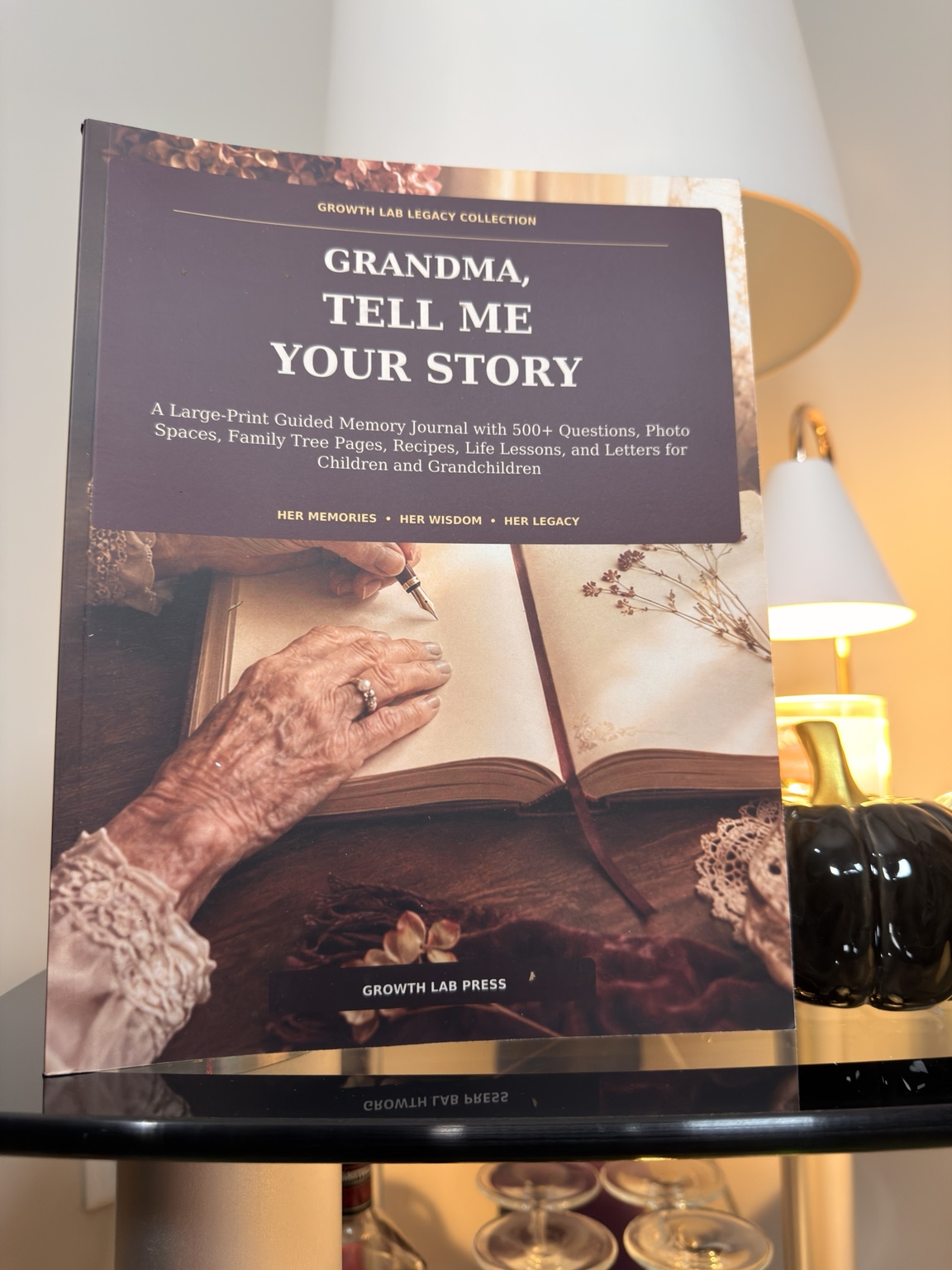
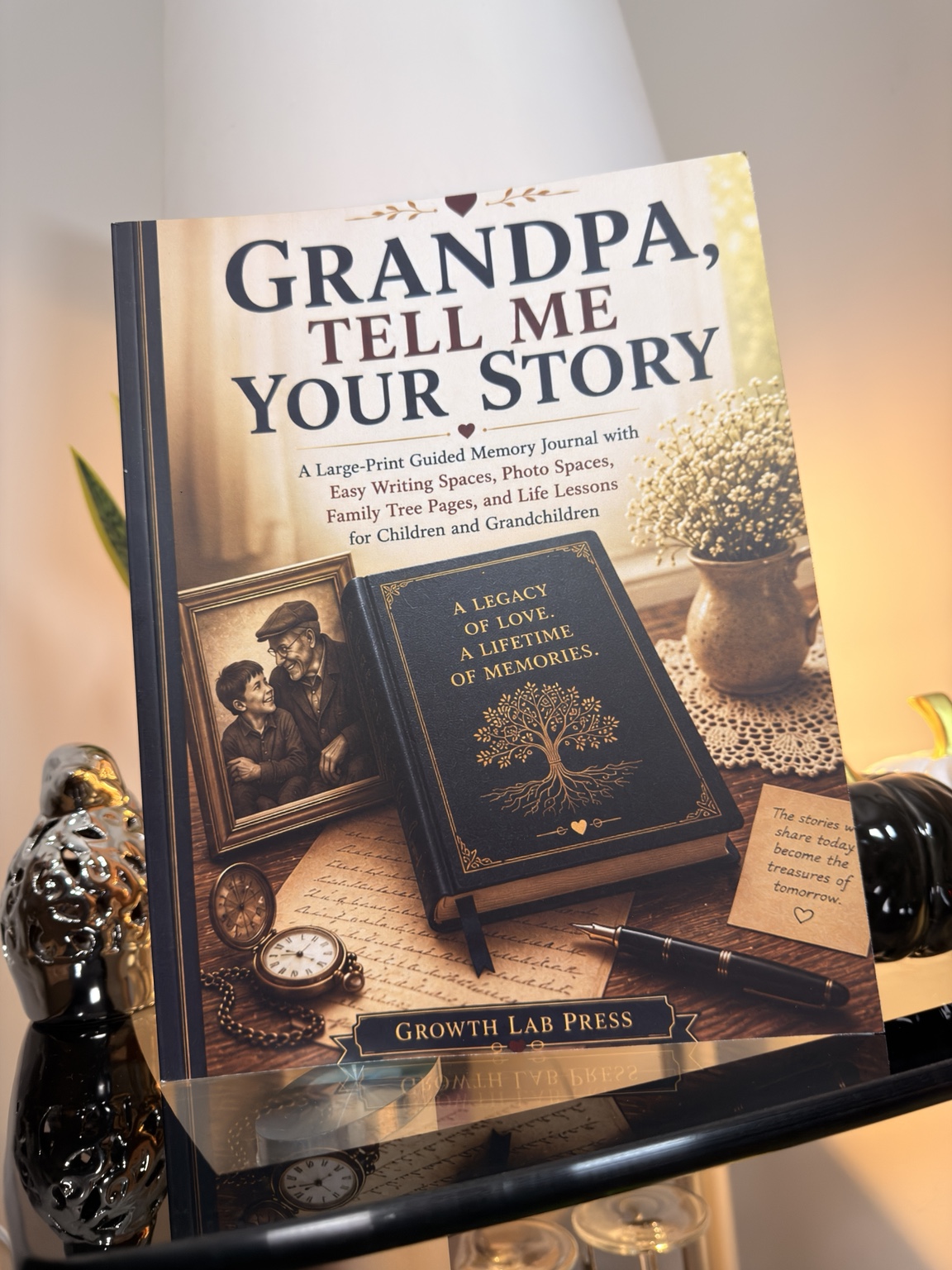
Grandma, Tell Me Your Story is a large-print guided memory journal with 531 thoughtful questions, photo spaces, family tree pages, recipes, life lessons and letters. Grandpa, Tell Me Your Story is a guided keepsake journal for preserving memories, milestones, family traditions and hard-earned wisdom. Both current product pages list paperback and hardcover formats.
Use the questions in this article as a separate conversation beside the journal. They are original blog prompts, not sample pages from either book, and a family member can write or type when the storyteller prefers speaking.
Common questions
What should I ask a grandparent about their first television?
Ask where they first watched, what the set and room looked like, who gathered there, favorite programs, family rules, memorable interruptions and how television changed evenings at home. Follow the details they enjoy discussing.
What if my grandparent did not have a television?
Adapt the questions to the first television they saw at a relative’s home, a neighbor’s house, a shop or a community place. You can also ask about radio, cinema, live performances or another form of entertainment they remember.
How many questions should I ask in one visit?
Start with three to five. Stop the list whenever one answer becomes a story worth following, and save the remaining questions for another conversation.
Should I record my grandparent’s television memories?
Only with permission. Explain how the recording will be stored and shared, test the equipment first and let the speaker pause, skip a question or stop at any time.
Sources and further reading
Published by Growth Lab Press. Read our editorial standards.