Family storytelling
15 Questions to Ask Grandparents About Shopping When They Were Young
Use 15 questions to ask grandparents about childhood shops, weekly errands, markets, treats and how family shopping changed over time.
Begin with one shop, errand or familiar route
Choose three to five questions for one conversation rather than treating all fifteen as a checklist. A simple opening is: ‘Tell me about a shop your family visited when you were young.’ Then follow the person, place or routine your grandparent seems interested in describing.
A shopping list, old bag, receipt, family photograph or picture of the street may offer a starting point, but no object is required. Do not begin by testing dates or prices. The aim is to preserve your grandparent’s experience, not to check whether every detail matches a record.
The Smithsonian’s oral-history guidance recommends clear, open-ended questions, one at a time, with follow-ups that invite a person to describe what happened. Its family-folklore guide also suggests asking about the neighborhood and drawing a map of places that stand out.
Questions 1–5: places, people and the shopping route
Start by locating the memory. Listen for a street, market, vehicle, shopkeeper or family member who can turn a general answer into a scene.
- 1. Where did your family usually shop for food and household supplies? Follow-up: What did the place look like from outside?
- 2. How did you get there? Follow-up: What do you remember seeing or passing along the way?
- 3. Who usually did the shopping? Follow-up: What job, if any, did you have during the trip?
- 4. Which shop, stall or market do you remember best? Follow-up: What could you see, hear or smell when you entered?
- 5. Was there a shopkeeper, clerk or market seller everyone knew? Follow-up: What made that person memorable?
Questions 6–10: lists, goods and family routines
These prompts focus on how an ordinary shopping trip worked. Let your grandparent explain the local words, containers and customs in their own way.
- 6. How did your family decide what to buy? Follow-up: Was there a written list, a regular order or someone who remembered everything?
- 7. How were foods and household goods displayed? Follow-up: Which counter, shelf, basket or container stands out in your memory?
- 8. How were purchases measured, wrapped or carried home? Follow-up: Which bags, jars, tins or other containers did your family use?
- 9. Did children run errands to a shop? Follow-up: What were you trusted to buy, and what instructions were you given?
- 10. What happened after the shopping came home? Follow-up: Who unpacked, stored or prepared the things that were bought?
Questions 11–15: treats, special shopping and change
Finish with special occasions and comparisons. Questions involving money can feel private, so let your grandparent skip them or answer without naming an amount.
- 11. Was there a market day, delivery person or door-to-door seller your family expected? Follow-up: How did everyone know when they were coming?
- 12. What small treat did you hope for on a shopping trip? Follow-up: Who chose it, and when were you allowed to have it?
- 13. How did your family shop for birthdays, holidays or other special occasions? Follow-up: What made that trip different from an ordinary one?
- 14. What part of shopping has changed most during your lifetime? Follow-up: Which older routine would surprise a younger person?
- 15. If you could revisit one shop or market for an hour, which would you choose? Follow-up: Who would you take, and what would you show them first?
Use follow-ups that recover the details of an ordinary day
A short answer often contains a useful doorway. If your grandparent names a bakery, ask what was in the window, who served the family and what happened after the purchase. If they mention a weekly list, ask who wrote it and where it was kept.
Useful neutral follow-ups include: ‘What happened next?’ ‘Who else was there?’ ‘How did that work?’ ‘What did you carry?’ and ‘What made that place different?’ Ask one at a time, listen without interrupting and allow a pause.
Avoid suggesting the answer you expect. Ask ‘How were the goods wrapped?’ rather than ‘Everything came in paper, didn’t it?’ Local practices differed, and your grandparent may remember a routine that does not match a familiar picture.
Turn the story into a simple shopping-route map
On a blank page, mark the home, the remembered shop or market and any landmarks along the route. Add the way the family travelled and the approximate distance only if your grandparent wants to estimate it.
Around the map, write the shop name, the people who went, one commonly purchased item, a memorable person and one sentence in your grandparent’s own words. A family member can draw or write while the storyteller directs.
For example, a fictional map note might read: ‘Saturday route — home to the corner grocer, then the bakery; carried two cloth bags; stopped to speak with Mr. Lee outside the newsstand.’ This only demonstrates the format. It is not a customer story or a sample from either linked book.
Record the conversation only with permission
Before turning on a phone or recorder, explain what you would like to save, who may hear it and where it will be stored. Ask clearly for permission and let your grandparent choose notes instead, skip a question, pause or stop at any time.
The Smithsonian advises explaining the purpose and likely use of an oral-history interview and making clear that the interviewee can choose which questions to answer. If permission is given, make a short test and begin by saying the date, the speaker’s preferred name and the topic.
Use a descriptive filename such as ‘Grandpa-shopping-memories-2026-11-02’ and keep another copy according to the speaker’s wishes. Permission to record a private family conversation is not automatic permission to publish it.
Review names, places and uncertain details together
After the conversation, read the notes or route map back to your grandparent. Ask what should be corrected, expanded or kept private. Record shop names and local expressions exactly as the speaker remembers them.
If a date, address or price is uncertain, label it as approximate instead of filling the gap. You can check a directory, newspaper advertisement, photograph or receipt later, but keep the remembered story separate from any fact you confirm.
Invite another short conversation if one shop leads to a story about work, food, clothing, holidays or neighborhood change. Follow the connection rather than forcing every memory onto one page.
Continue everyday family stories in a guided journal
Our life-story question guide offers broader prompts about childhood, home, school, work, traditions and turning points. The guided-journal gift guide explains how to compare readability, question range, writing space and family fit.
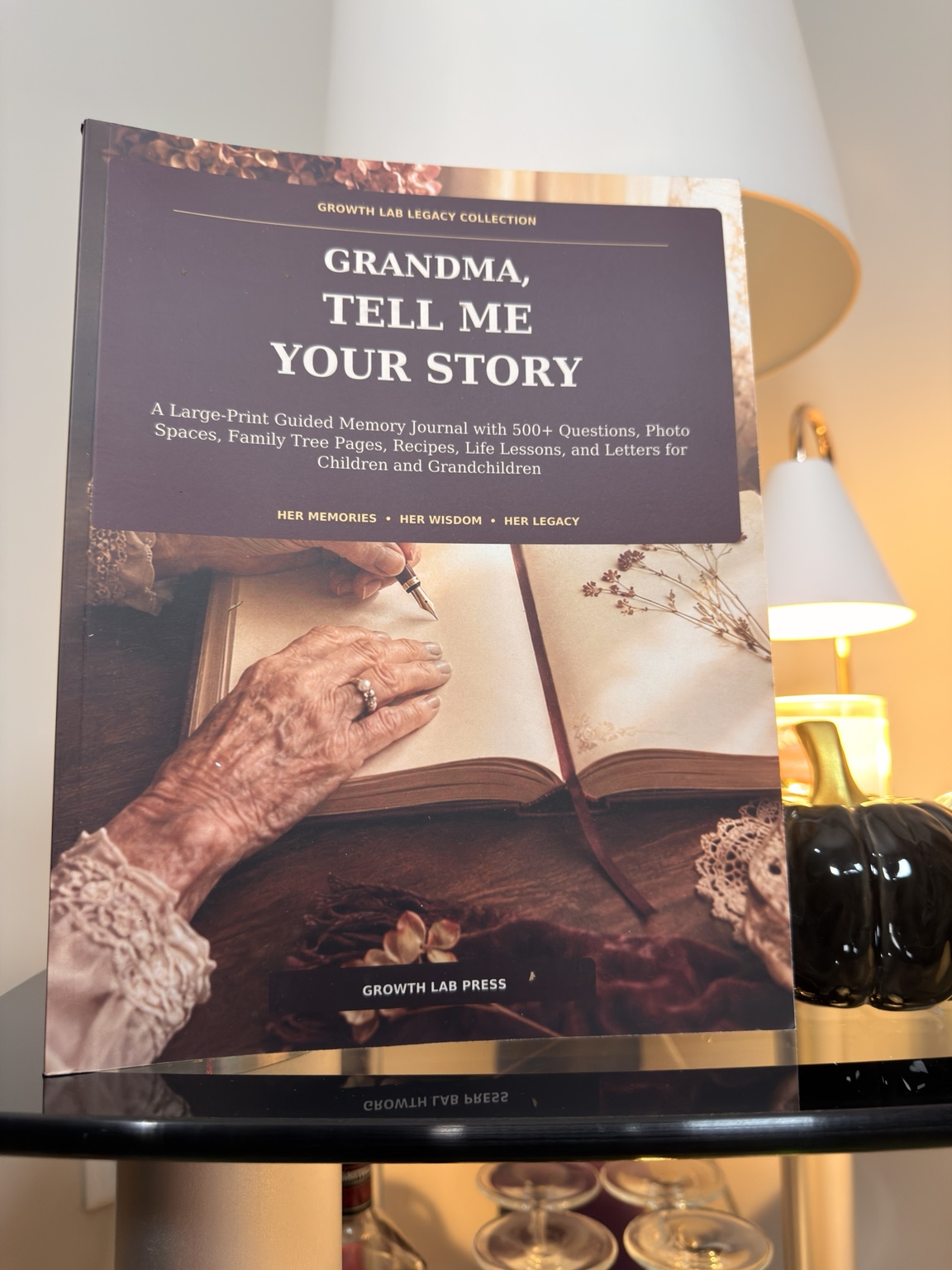
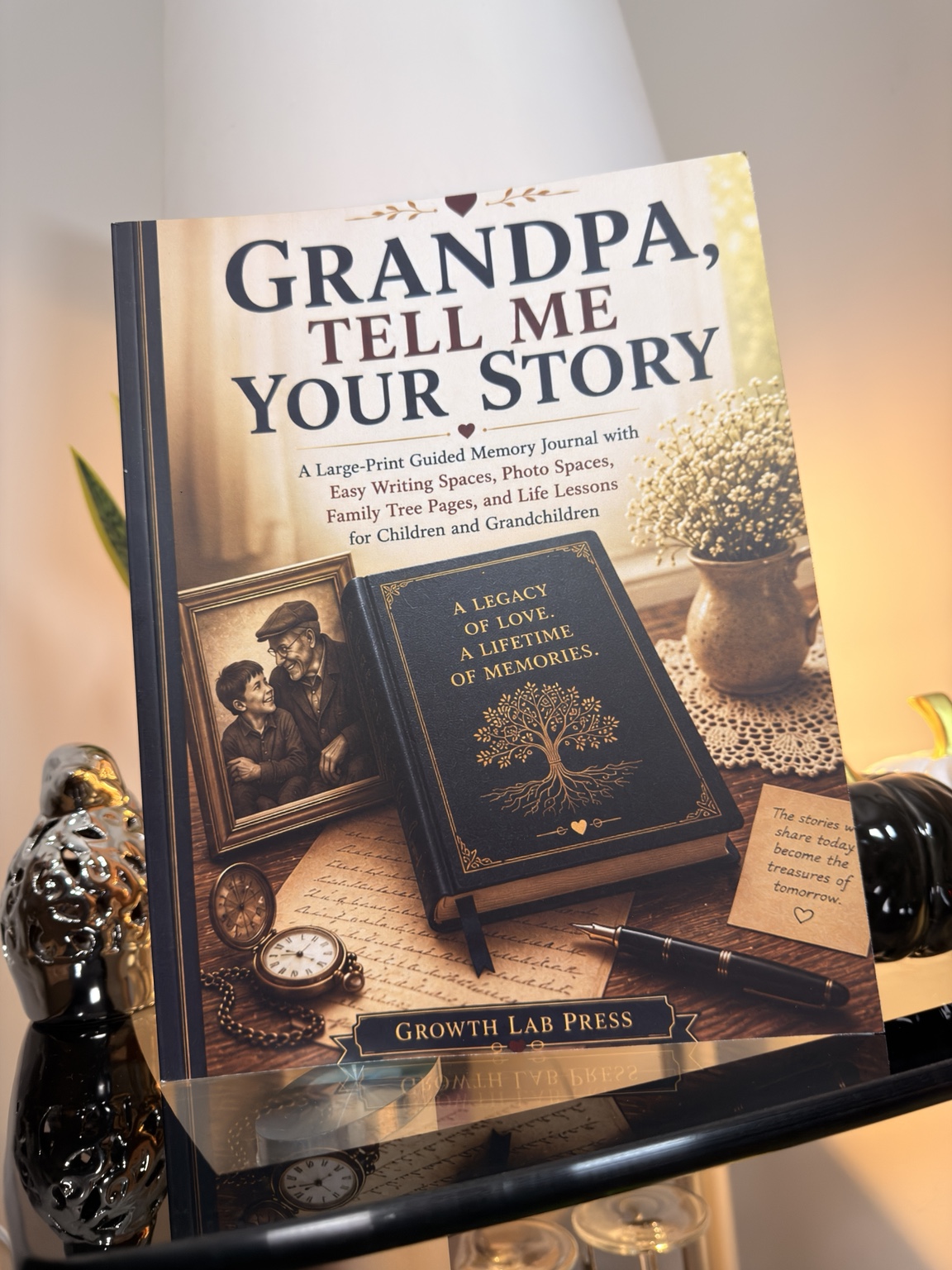
Grandma, Tell Me Your Story is a large-print guided memory journal with 531 thoughtful questions, photo spaces, family tree pages, recipes, life lessons and letters. Grandpa, Tell Me Your Story is a guided keepsake journal for preserving memories, milestones, family traditions and hard-earned wisdom. Both current product pages list paperback and hardcover formats.
Use the questions in this article as a separate family conversation beside the journal. They are original blog prompts, not sample pages from either book, and a family member can write or type when the storyteller prefers speaking.
Common questions
What should I ask grandparents about shopping when they were young?
Ask where the family shopped, how they travelled, who made the list, what the shops and markets looked like, how goods were wrapped and carried, which errands children did, and what changed over time.
Should I ask how much things cost?
Only if your grandparent is comfortable. Prices may be difficult to recall and money can feel private. Ask about a remembered treat or shopping routine instead, and label any amount as approximate.
How many questions should I ask in one conversation?
Start with three to five. Stop the list whenever one answer becomes a detailed story, and save the remaining questions for another visit.
What if the old shop no longer exists?
Record its remembered name, location, layout, people and routines. A simple route map, old photograph or later directory search can add context without replacing your grandparent’s account.
Sources and further reading
Published by Growth Lab Press. Read our editorial standards.