Family storytelling
15 Questions to Ask Grandparents About Their Wedding Day
Use 15 thoughtful questions to record a grandparent's wedding-day memories, family customs, people, photographs and details that were never written down.
Begin with permission and a comfortable invitation
A wedding can be a joyful memory, but marriage may also connect with grief, separation, conflict or private family history. Ask whether your grandparent feels comfortable talking about the day, and let every question be optional.
A simple opening is: I would love to hear the wedding story in your own words. May I ask a few questions, and would you prefer that I take notes or record our conversation?
The Smithsonian's oral-history guidance recommends explaining the purpose of an interview, using clear open-ended questions and letting the storyteller choose what to answer. The Library of Congress also encourages asking permission before recording conversations with older relatives.
Bring one wedding photograph or object if available
Choose a quiet place and bring one item connected with the wedding: a photograph, invitation, programme, piece of clothing, card, recipe, song list or keepsake. Ask who owns the item and whether it may be photographed or copied.
Do not begin by testing names or dates. Start with what your grandparent notices in the item and follow the detail that matters to them. The Smithsonian recommends using photographs and family materials to prompt stories while allowing the interviewee to do most of the talking.
Plan to ask three to five questions in the first conversation. Fifteen questions are a menu, not a checklist that must be finished in one visit.
- Explain why you want to preserve the story
- Ask permission before recording
- Bring one relevant photograph or keepsake
- Let the storyteller skip any question
- Stop or change topics when the memory feels uncomfortable
Questions 1–5: Rebuild the preparations
Begin before the ceremony. These questions invite details about the setting, the people who helped and the decisions that shaped the day.
- 1. Where did the wedding take place, and what made that location right for you?
- 2. What do you remember doing on the day or evening before the wedding?
- 3. Who helped prepare for the day, and what job did each person take on?
- 4. What did you wear, and how was your clothing chosen, made, borrowed or bought?
- 5. Which person helped you feel calm, ready or supported before the ceremony?
Questions 6–10: Step inside the ceremony
Ask one question at a time and leave room for a pause. A sound, phrase or small mishap may lead to a fuller story than a request for the most important moment.
- 6. What could you see and hear just before the ceremony began?
- 7. Which words, music, prayers or family customs from the ceremony do you still remember?
- 8. Who stood nearest to you, and what do you remember about them that day?
- 9. Was there a moment during the ceremony that felt especially real, funny or surprising?
- 10. Did anything go differently from the plan, and how did everyone respond?
Questions 11–15: Follow the celebration and what came next
The reception, journey home and first quiet moments after the celebration may reveal details that formal records leave out. Let the story continue beyond the photograph.
- 11. What food, cake, drinks or music do you associate most strongly with the celebration?
- 12. Which guest travelled far, made you laugh or played an unexpected part in the day?
- 13. What was the first quiet moment you remember after the ceremony or celebration?
- 14. What detail about the wedding would nobody understand from looking at the photographs alone?
- 15. If a younger relative were planning a wedding today, what part of your experience would you want them to hear?
Use short follow-up questions instead of changing the subject
When an answer introduces a person, place or object, stay with it. Ask how the person was connected, what the place looked like or where the object came from. This creates a scene rather than a list of facts.
Avoid leading questions that suggest the answer you expect. If your grandparent says the reception was simple, ask What made it feel simple? rather than It was inexpensive, wasn't it?
Treat uncertain details honestly. Write circa, possibly or remembered as when a date, spelling or sequence is unclear, then ask whether another relative or document might help.
- What happened next?
- Who else was there?
- How did that person help?
- What did the room sound or smell like?
- Why did that detail matter to you?
- Is there another part of the story you want included?
Turn the conversation into a one-page wedding story card
After the conversation, prepare a short record that can sit beside a wedding photograph. Use your grandparent's own wording where possible and separate remembered details from facts confirmed by a certificate, invitation or newspaper notice.
For example: Ceremony at the neighbourhood church — sister altered the dress — rain began during the photographs — uncle drove relatives from the station — supper included a family recipe — the couple's first quiet moment was tea at home after the guests left.
Read the card back to your grandparent. Ask what should be corrected, expanded or kept private before sharing it with other relatives.
- Names of the couple
- Date and location
- People and their roles
- Clothing, music, customs and food
- One surprise or private detail
- Source of each photograph or document
- Storyteller's name and interview date
Label the recording, photograph and notes clearly
Give the recording a useful filename containing the storyteller, topic and date, such as Grandma-wedding-story-2026-10-14. Check that the file plays before leaving the recording device, then keep a second copy in another safe location.
For a photograph, record who supplied the identification and mark any uncertain names. Preserve the original image separately and add notes to a digital copy or archival enclosure rather than writing across the photograph.
Ask before sharing the recording, transcript or wedding photograph outside the family. Permission to tell a story privately does not automatically mean permission to post it publicly.
Try this short opening and closing script
Opening: I found this wedding photograph and realized it cannot tell me what the day actually felt like. May I ask you a few questions and take notes? I will show you what I write before sharing it.
First question: Where did the wedding take place, and what made that location right for you? Listen to the complete answer before choosing one follow-up.
Closing: Thank you for sharing this with me. I will make a one-page story card for the photograph. Is there anything from today's conversation that should stay private?
Continue the wedding story in a guided journal
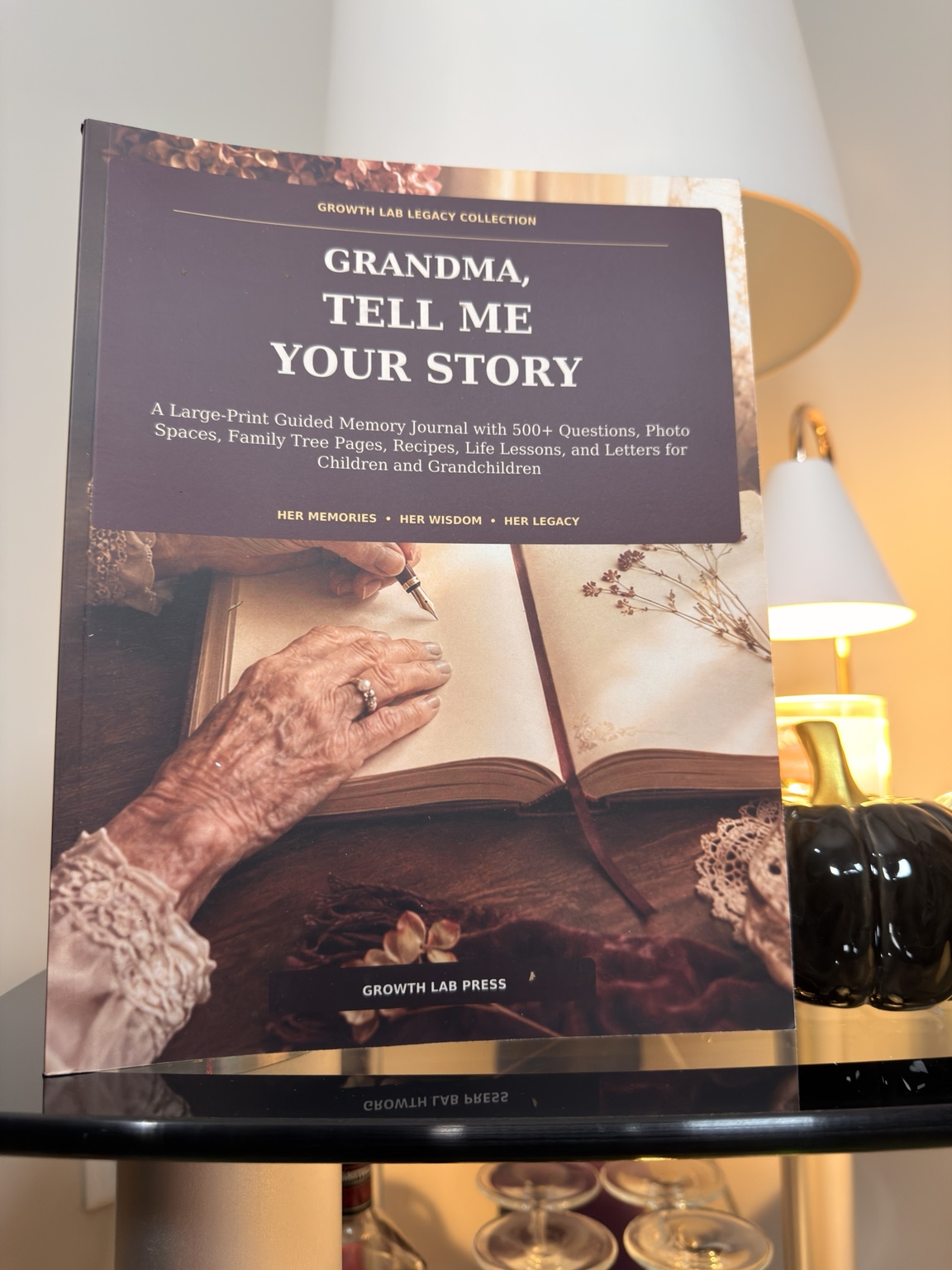
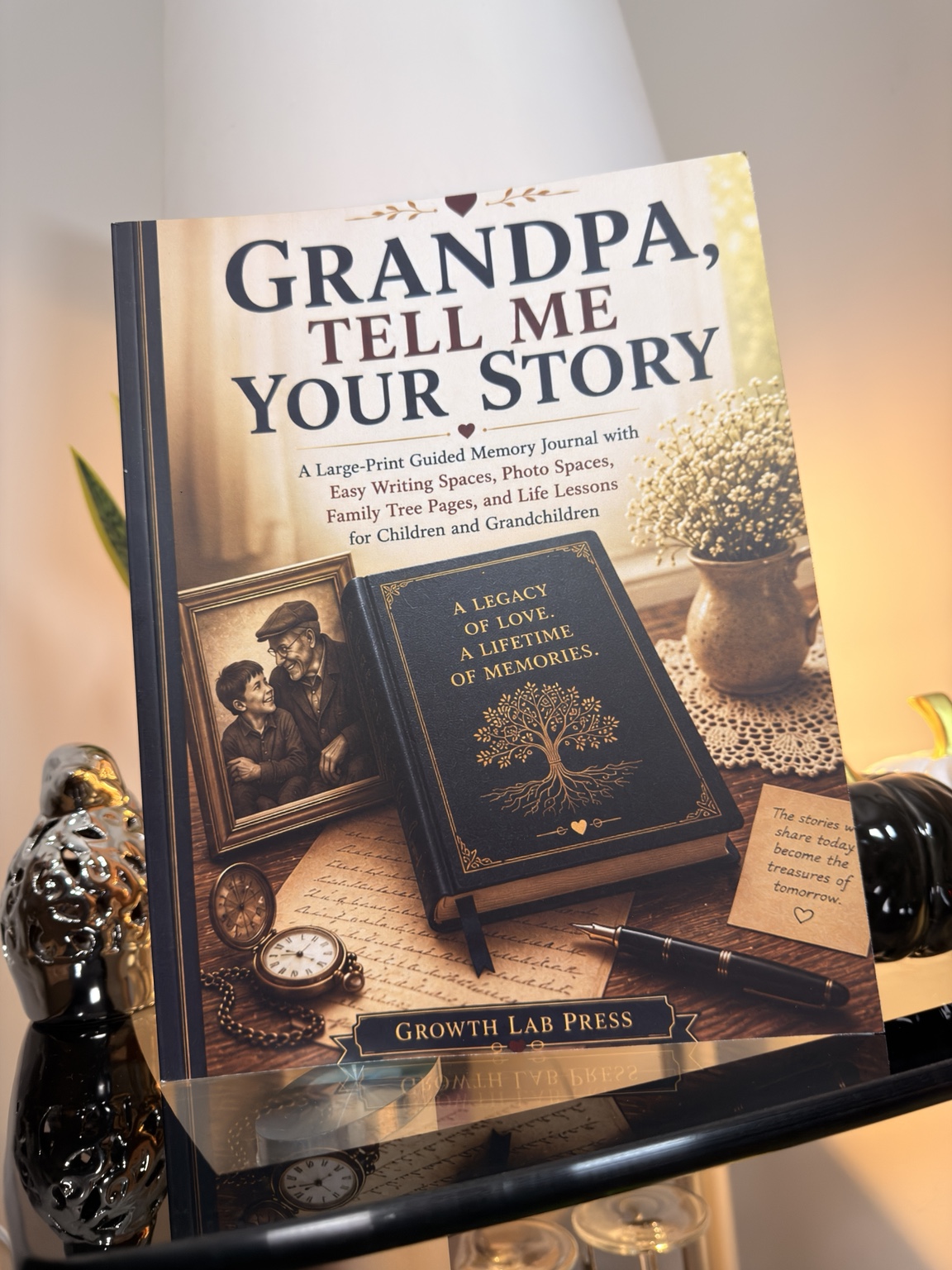
Grandma, Tell Me Your Story is a large-print guided memory journal with 531 thoughtful questions, photo spaces, family tree pages, recipes, life lessons and letters. Grandpa, Tell Me Your Story is a large-print guided keepsake journal for memories, milestones, family traditions and hard-earned wisdom. Both books are written by Michael Bennett and are available in paperback and hardcover.
The related life-story guide offers broader prompts about childhood, family, turning points and everyday life. The journal-selection guide helps compare readability, writing space, question range and ways to help when a grandparent prefers speaking to writing.
Use the product links below to review the current descriptions and formats before choosing. The 15 wedding-day questions above were created for this article and are not presented as sample pages from either journal.
Common questions
What is a good first question about a grandparent's wedding?
Ask: Where did the wedding take place, and what made that location right for you? It invites both a factual detail and a personal story.
How many wedding questions should I ask in one visit?
Start with three to five questions and follow the details your grandparent wants to discuss. Plan another conversation rather than rushing through all 15.
Should I record my grandparent's wedding story?
Only with permission. Explain how the recording will be stored and shared, and let your grandparent choose notes instead or stop the recording at any time.
What if the marriage or wedding is a painful subject?
Do not press for details. Offer another topic, let the question be skipped and follow the storyteller's boundaries about what may be recorded or shared.
Sources and further reading
Published by Growth Lab Press. Read our editorial standards.